

Sapa attractions: Top 10 Must-visit check-in spots
When people think of Northwest Vietnam, Sapa often comes first to mind – a misty mountain town famous for its cool climate, breathtaking landscapes, and the rich culture of ethnic minorities. With majestic mountains, endless terraced rice fields, ancient villages, and unique architecture, Sapa has long been a dream destination for both local and international travelers.
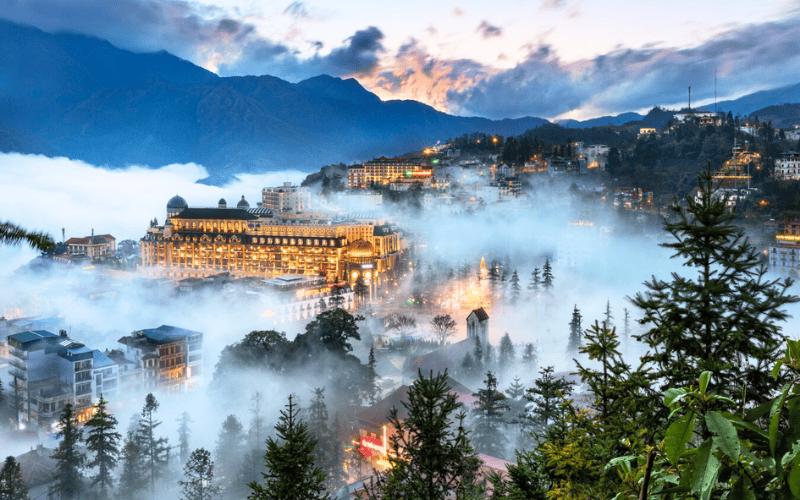
If you’re planning your next trip and wondering where to go, here’s a curated list of the top 10 Sapa attractions that promise stunning check-in photos and unforgettable cultural experiences.
1. Fansipan – The Roof of Indochina
Standing tall at 3,143 meters, Fansipan is the highest peak in Vietnam and the Indochinese Peninsula. Known as the “Roof of Indochina,” reaching its summit feels like stepping into a sea of clouds, with endless mountain ranges stretching out below.
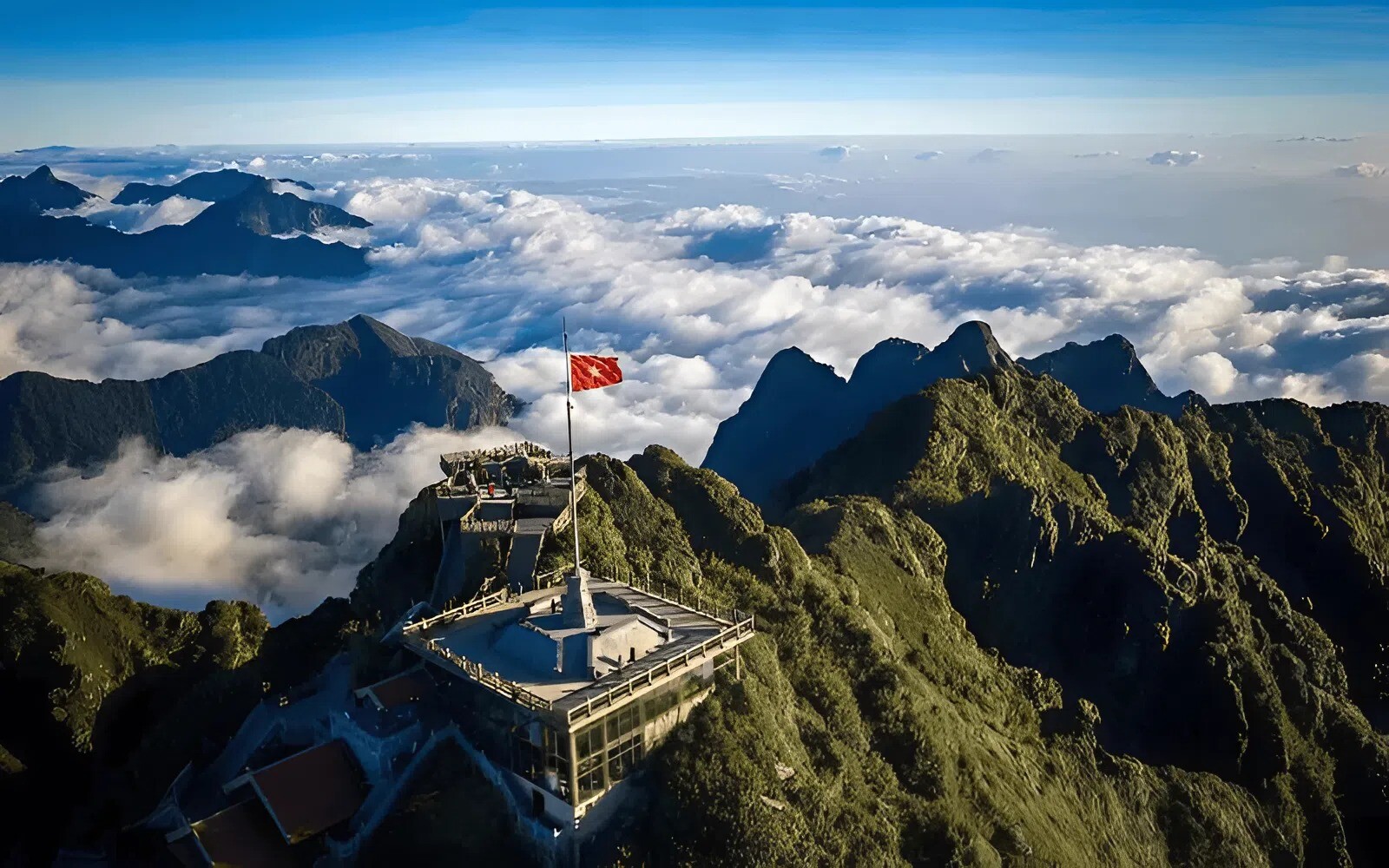
Today, the modern cable car system makes conquering Fansipan much easier. In just 15 minutes, you’ll reach the upper station and climb a few hundred steps to touch the sacred landmark at the top. This is one of the most iconic Sapa tourist spots and a must-have for every Sapa check in collection.
Tip: The best time for Sapa cloud hunting on Fansipan is from October to March. Bring a warm jacket – it gets very cold at the summit.
2. Muong Hoa Valley – A masterpiece of rice terraces
Just 8 km southeast of town, Muong Hoa Valley is home to vast terraced rice fields often called a masterpiece created by both nature and humans. During harvest season (September–October), the valley glows golden, offering a picture-perfect scene.
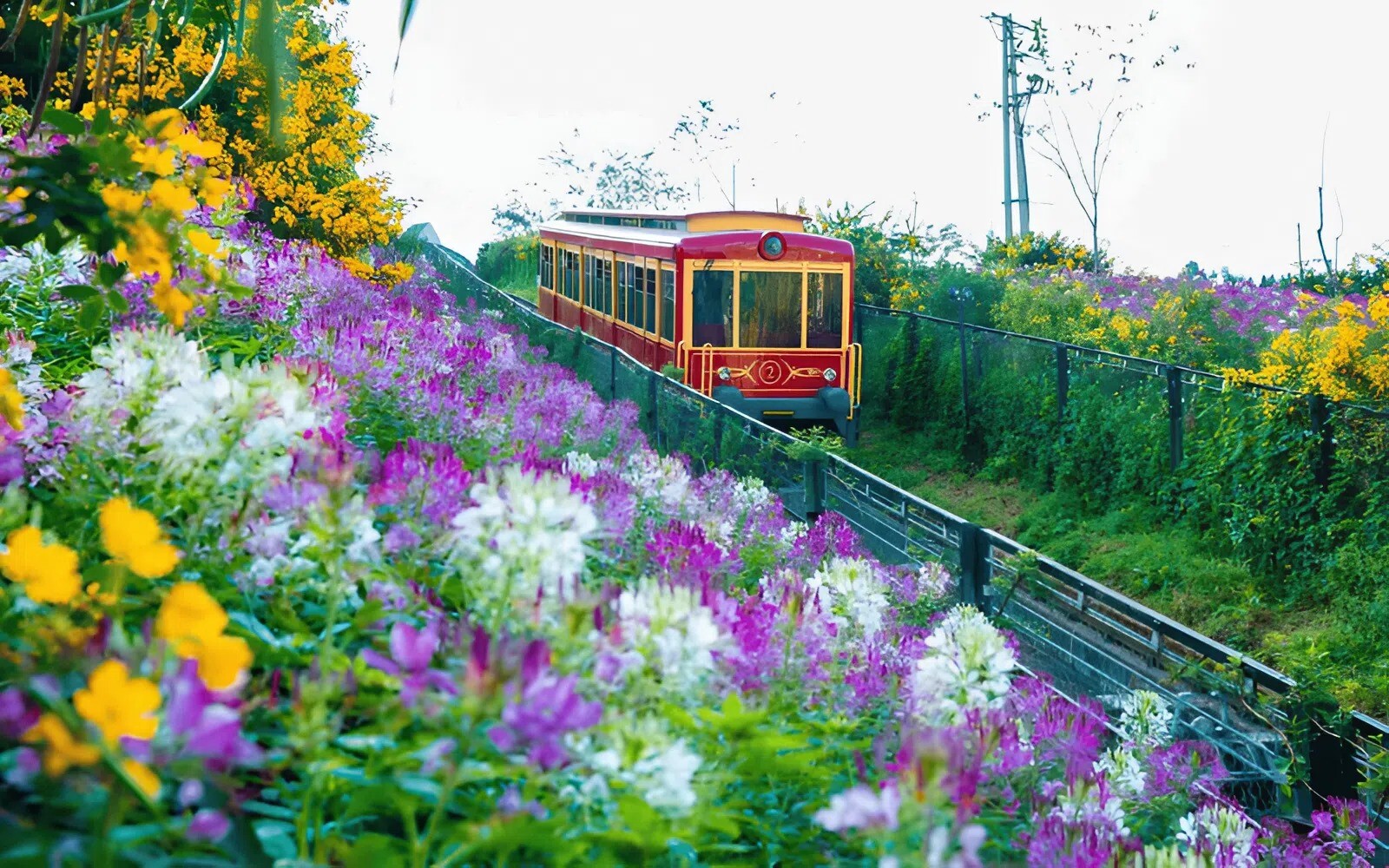
Besides the rice terraces, Muong Hoa boasts a mysterious ancient rock field with hundreds of carved stones and traditional villages of the H’Mong, Dao, and Giay people. A light trekking trip here allows you to enjoy the landscapes while immersing yourself in local culture – truly one of the top Sapa attractions.
3. Ham Rong Mountain – A panoramic view of Sapa
Located just a short walk from the Sapa Stone Church, Ham Rong Mountain rises over 1,800m and offers panoramic views of the town, Muong Hoa Valley, and even Fansipan in the distance.
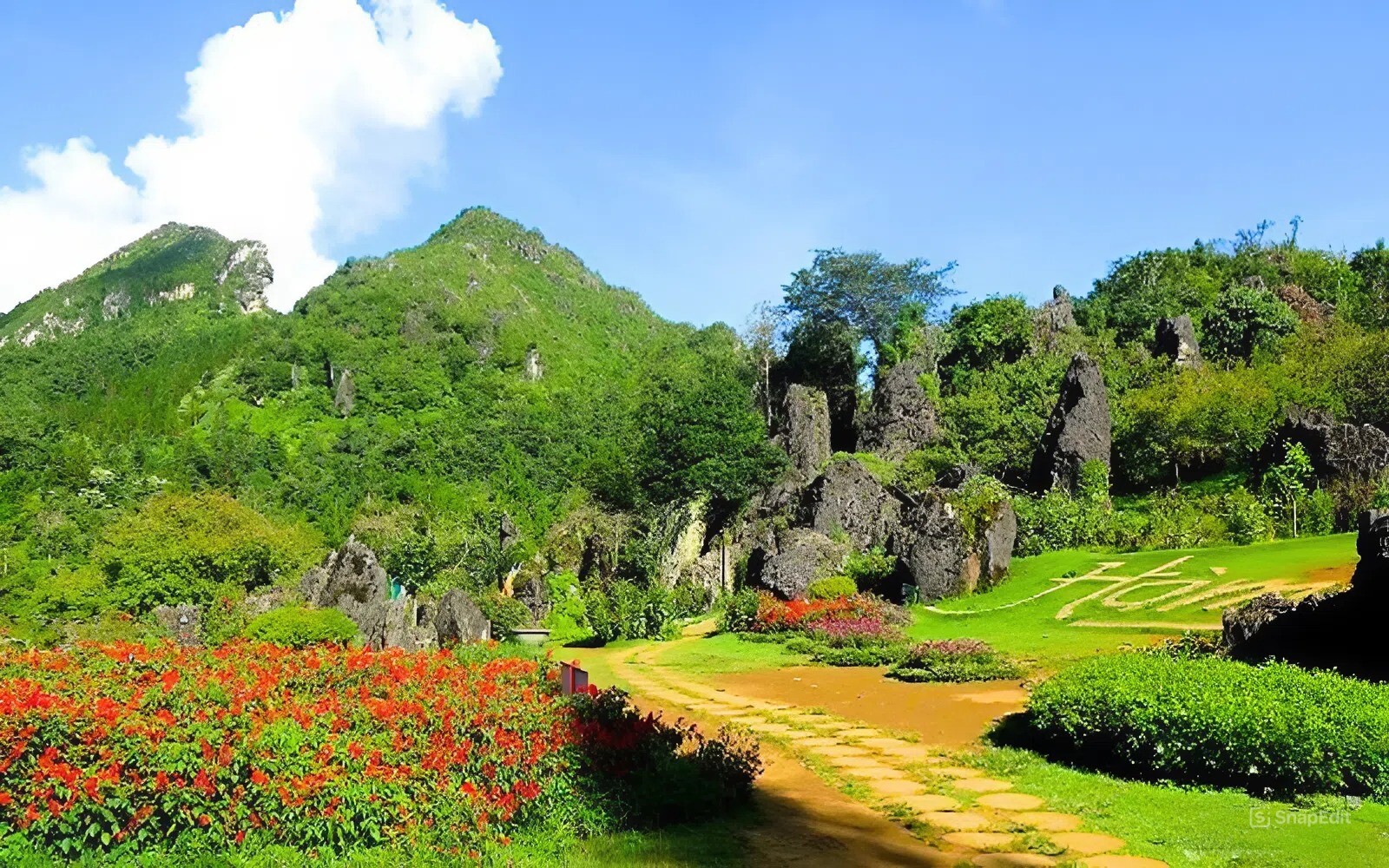
The site features vibrant flower gardens and orchid parks, especially stunning in spring when peach and plum blossoms are in full bloom. For those looking for Sapa sightseeing close to the center, Ham Rong is a perfect choice.
4. Cat Cat Village – An ancient H’Mong village
Only 2 km from the town center, Cat Cat Village is one of Sapa’s most beautiful and well-preserved villages. It retains traditional H’Mong culture, including brocade weaving, blacksmithing, and folk dances.
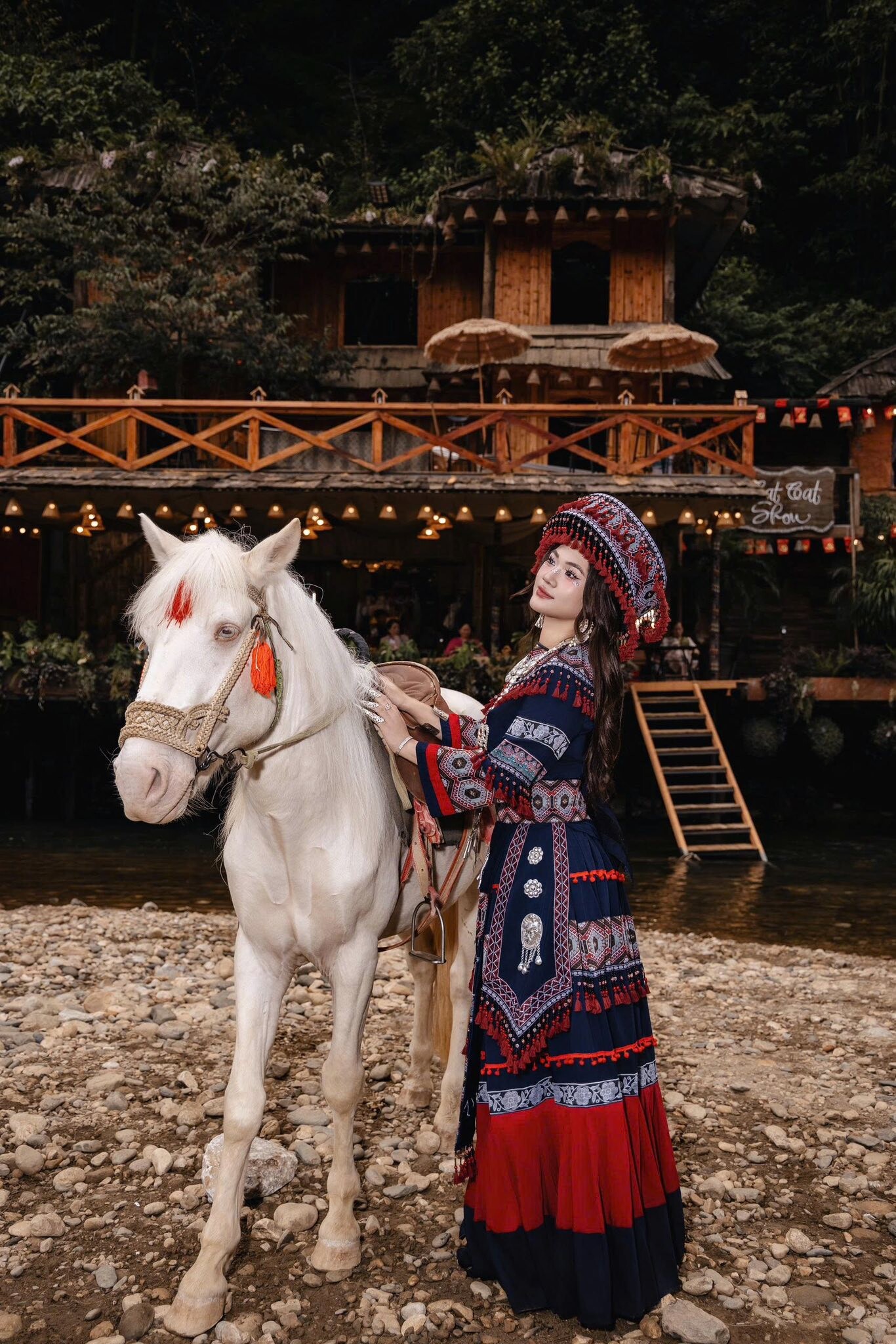
Walking along its stone-paved paths, past rustic wooden houses, you’ll feel a sense of peace and authenticity. With its charming landscapes and picturesque corners, Cat Cat is among the most popular Sapa attractions for young travelers and photo lovers.
5. Ta Van Village – Homestay experience in nature
Nestled in Muong Hoa Valley, Ta Van Village is home to the Giay people. Unlike the bustling town center, Ta Van offers a tranquil atmosphere with small houses surrounded by rice terraces.
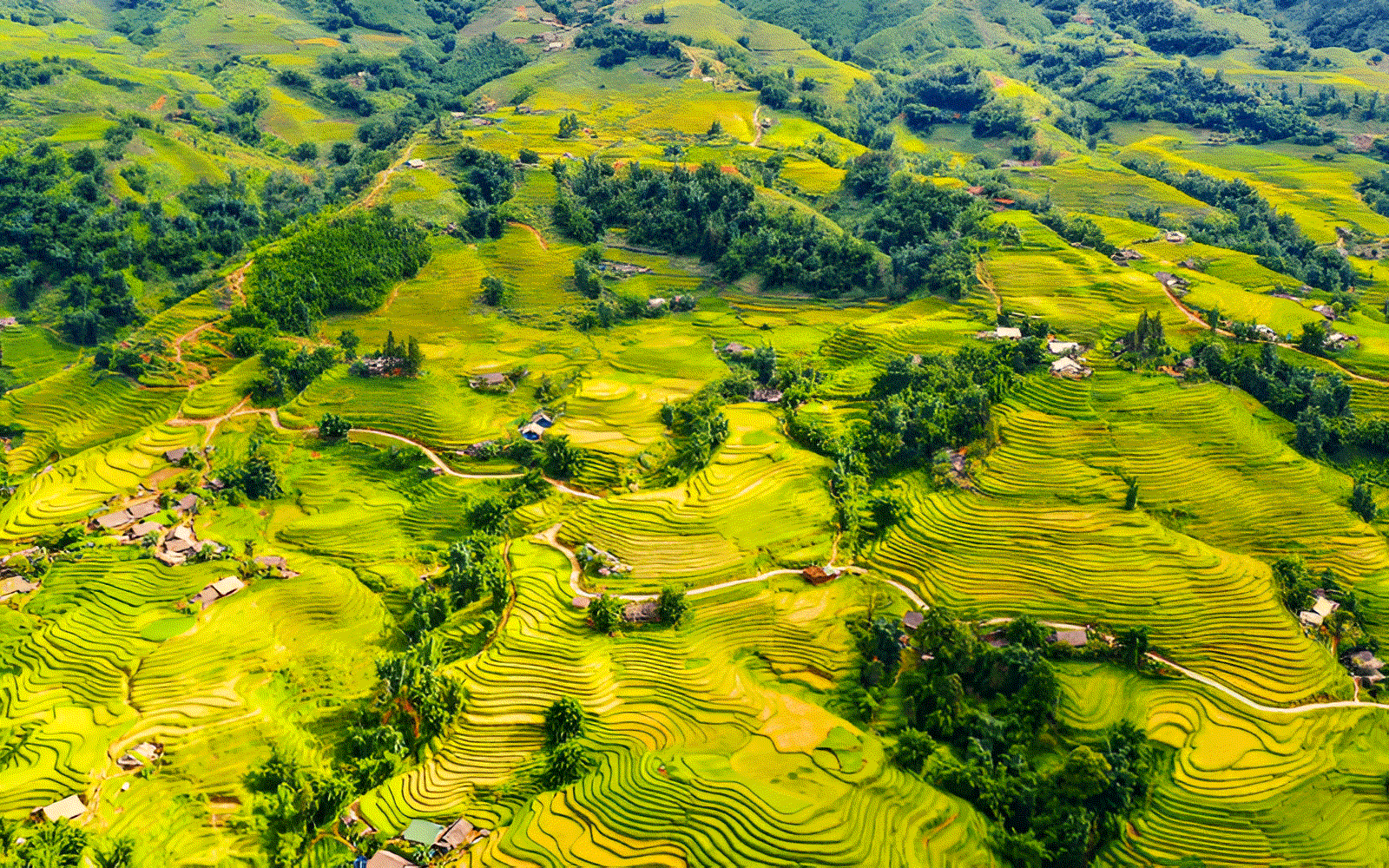
The highlight here is the cozy homestays. Spending a night in Ta Van lets you share meals with locals, learn about their customs, and enjoy the fresh mountain air – a unique Sapa travel experience that lingers in your memory.
6. Ta Phin Village – Red Dao culture and herbal baths
Famous for its traditional Red Dao herbal baths, Ta Phin Village is the perfect stop after a long trek. The herbal remedies not only relax your body but are also believed to be good for health.
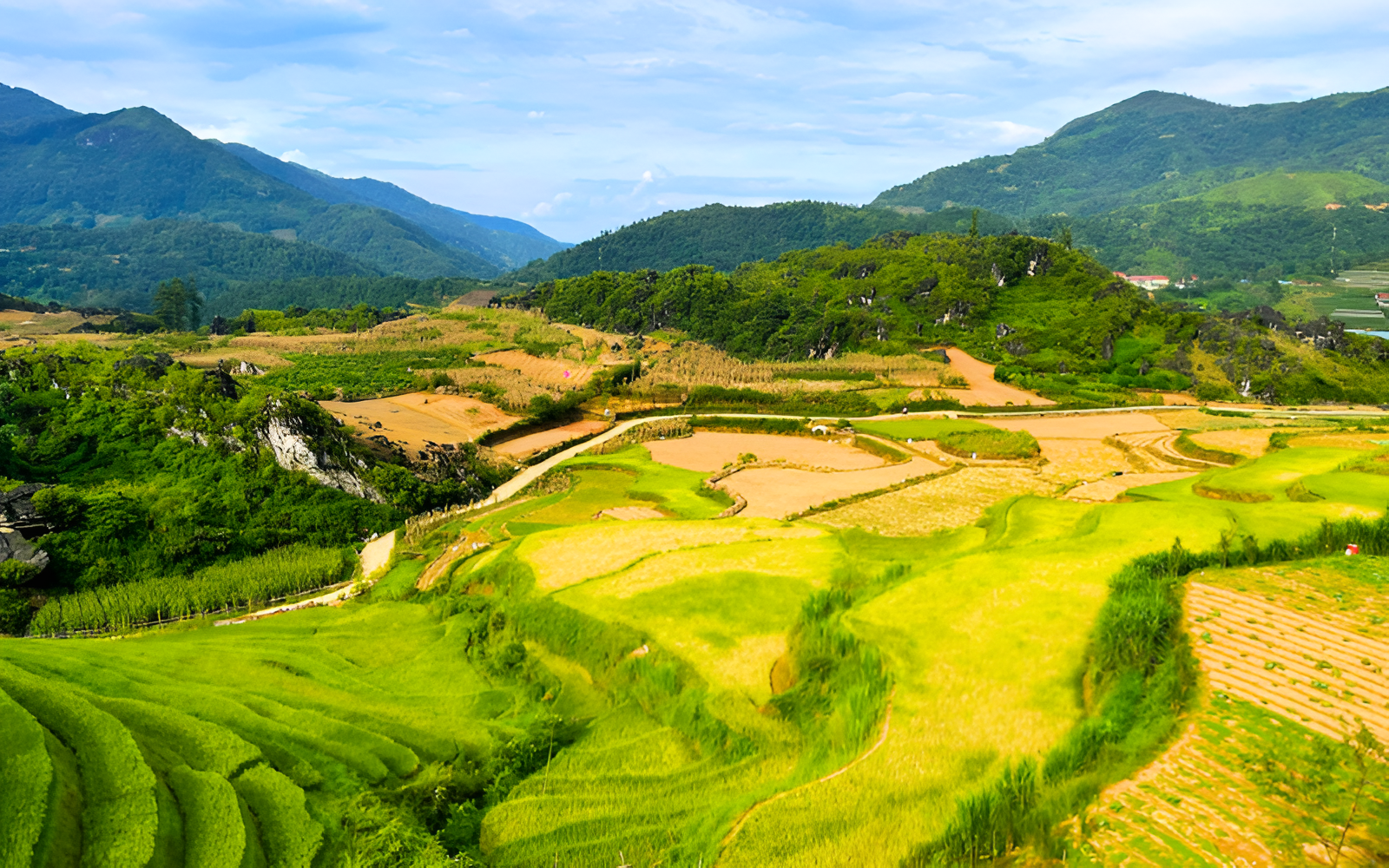
While here, you can also explore Ta Phin Cave and witness the unique customs of the Red Dao people. For those seeking both relaxation and cultural immersion, Ta Phin is one of the most meaningful Sapa tourist spots.
7. Sapa Stone Church – The symbol of the misty town
Built in 1895, the Sapa Stone Church is an outstanding example of Gothic architecture in Vietnam. Located right in the town center, it serves as both a religious site and a cultural hub.
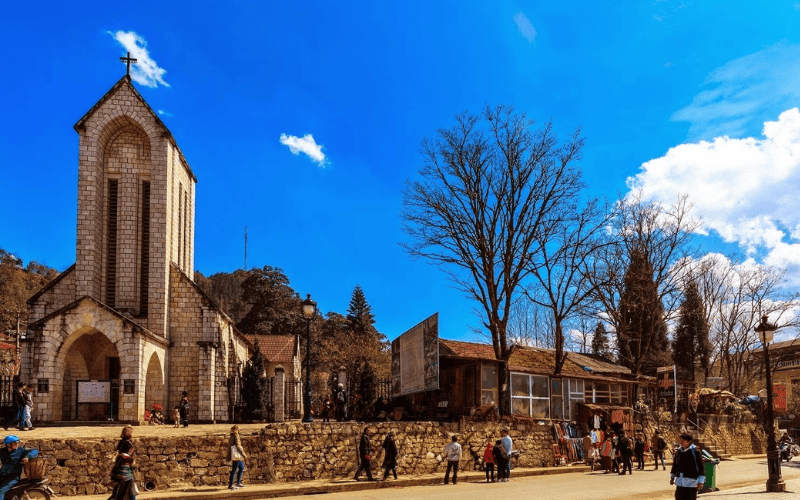
On weekend evenings, the church square hosts the famous Sapa Love Market, where locals gather for traditional dances and music. This is the best place to soak in the unique spirit of Sapa’s highland culture.
8. Silver Waterfall & Love Waterfall – Nature’s romance
About 12 km from town, Silver Waterfall is one of Sapa’s most famous natural sites. Water cascades dramatically from a height of over 200 meters, creating a spectacular view. Nearby is Love Waterfall, linked to the romantic legend of a fairy maiden and a mountain boy named O Quy Ho.
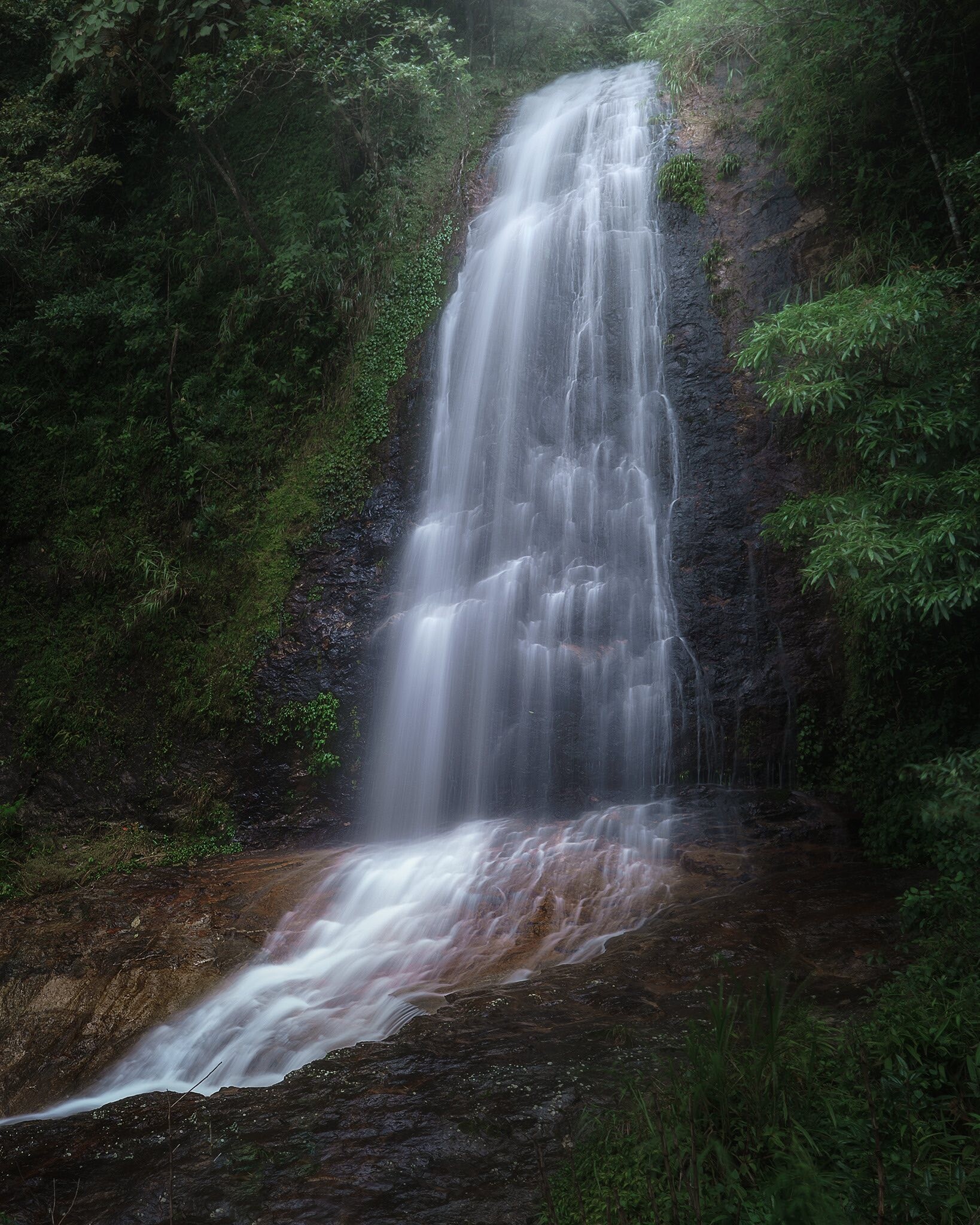
Both waterfalls are ideal for travelers seeking fresh air, beautiful landscapes, and magical photo opportunities – a highlight of Sapa sightseeing.
9. O Quy Ho Pass – One of Vietnam’s four great passes
Stretching nearly 50 km, O Quy Ho Pass connects Lao Cai and Lai Chau provinces and is considered one of Vietnam’s “Four Great Passes.” With sharp curves and breathtaking views, it’s a thrilling challenge for adventure lovers.
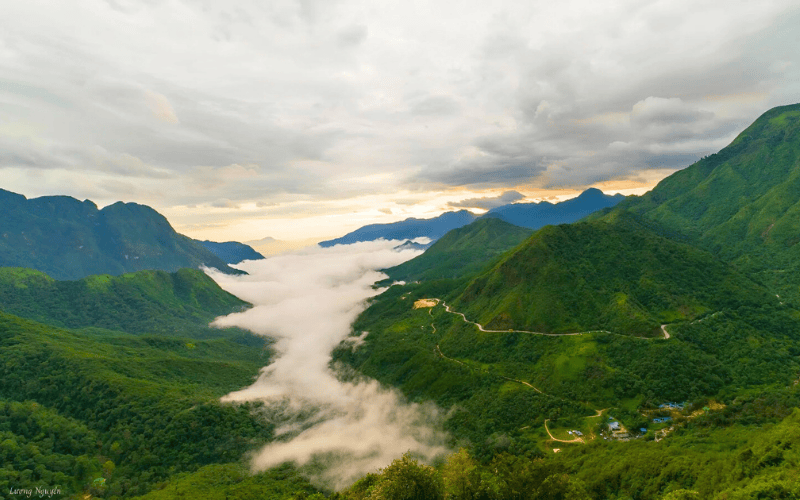
From the top, you can admire the Hoang Lien Son mountain range, especially enchanting in winter when snow occasionally blankets the peaks. This is also a prime spot for Sapa cloud hunting and spectacular check in Sapa photos.
10. Glass Bridge Rong May – Thrill at great heights
Near O Quy Ho Pass lies the Glass Bridge Rong May, a newer attraction that has quickly gained popularity. The transparent glass walkway extends out from the cliff, giving visitors the thrilling sensation of walking in the sky.
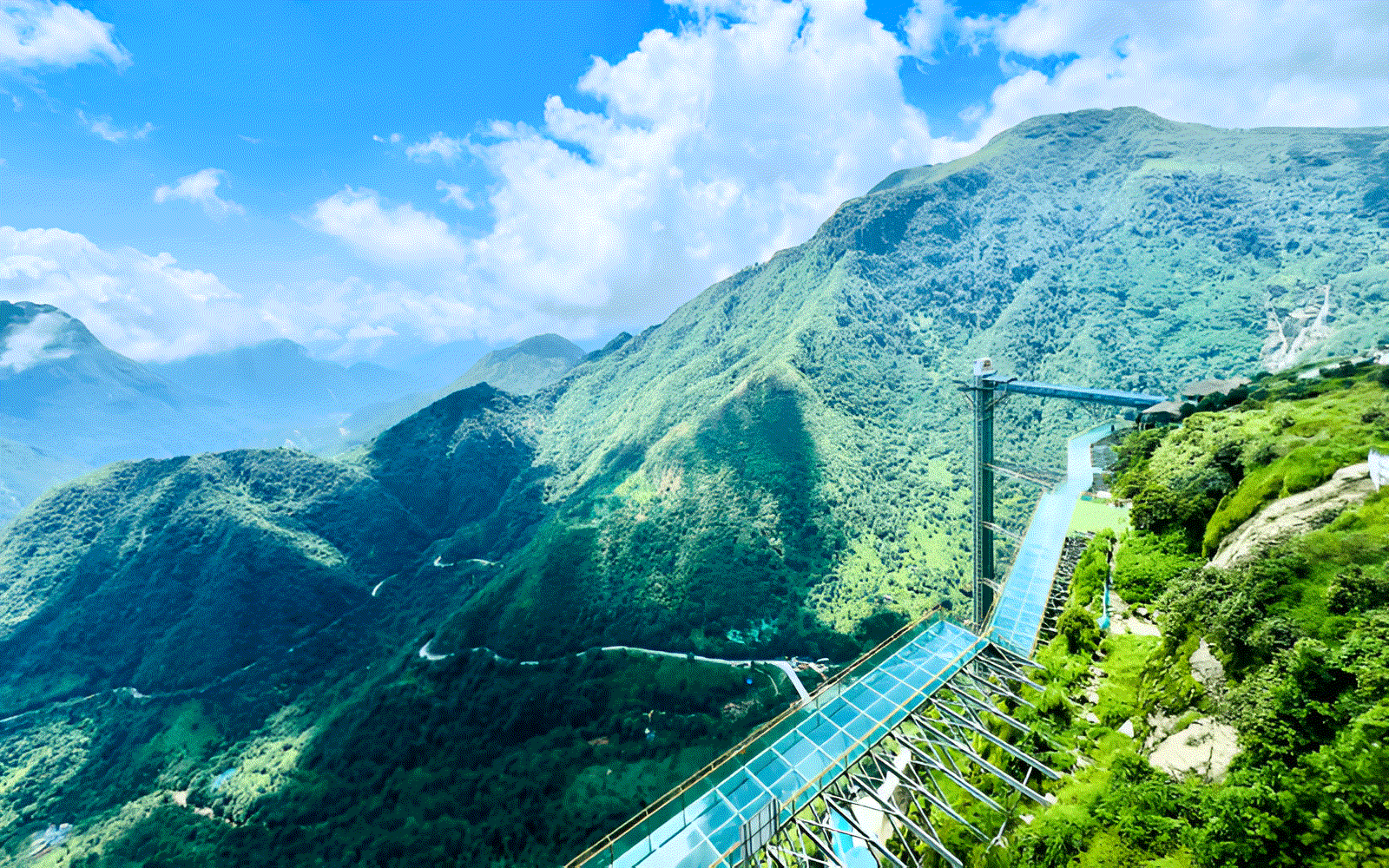
From the bridge, you can admire sweeping views of the Northwest mountains from a completely different perspective. For adventurous souls, this is a must-try among modern Sapa attractions.
Sapa’s charm lies not only in its majestic landscapes but also in the vibrant cultures of its ethnic minorities. From the towering Fansipan and picturesque Muong Hoa Valley to the rustic villages and modern marvels like the Glass Bridge Rong May, every spot offers a unique experience.
With this list of the top 10 Sapa attractions, planning your itinerary becomes much easier. Make sure to set aside at least 3–4 days, bring your camera, and get ready to immerse yourself in unforgettable moments. Whether it’s trekking through terraced fields, exploring ancient villages, or capturing that perfect Sapa check in photo, Sapa promises memories that will last a lifetime.
Related Articles
Muong Hoa Valley the love song of the Northwest mountains
Exploring Ta Van Village: The Pristine Beauty and Unique Culture of the Giay People